

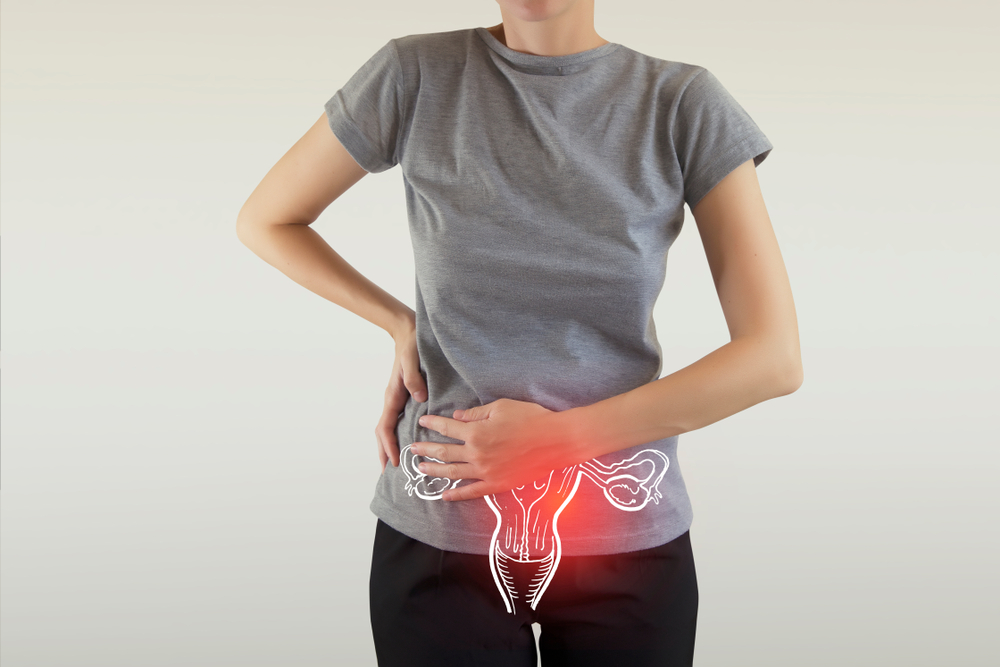
Gynecological health is an important aspect of overall well-being. Women may experience various reproductive health conditions throughout their lives, ranging from minor concerns to chronic disorders that require ongoing care.
Understanding common gynecological conditions can help women recognize symptoms early, seek appropriate treatment, and maintain better reproductive health.
Why Gynecological Health Matters
The reproductive system plays a vital role in hormonal balance, fertility, and overall health.
Regular gynecological care helps:
- Detect health issues early
- Monitor reproductive health
- Address symptoms promptly
- Support preventive healthcare
Polycystic Ovary Syndrome (PCOS)
Overview
PCOS is a hormonal condition that affects ovulation and reproductive health.
Common Symptoms
- Irregular periods
- Acne
- Excess hair growth
- Weight management challenges
Importance of Early Diagnosis
Timely diagnosis can help manage symptoms and reduce long-term health risks.
Endometriosis
What Is Endometriosis?
Endometriosis occurs when tissue similar to the uterine lining grows outside the uterus.
Common Symptoms
- Pelvic pain
- Painful periods
- Pain during intercourse
- Fertility challenges
Impact on Daily Life
Symptoms can vary from mild discomfort to severe pain.
Uterine Fibroids
Overview
Fibroids are noncancerous growths that develop in or around the uterus.
Possible Symptoms
- Heavy menstrual bleeding
- Pelvic pressure
- Frequent urination
- Lower back pain
Treatment Considerations
Treatment depends on symptom severity and individual health goals.
Ovarian Cysts
What Are Ovarian Cysts?
Ovarian cysts are fluid-filled sacs that develop on the ovaries.
Symptoms
Many cysts cause no symptoms, but some may lead to:
- Pelvic pain
- Bloating
- Pressure sensations
Monitoring and Care
Many ovarian cysts resolve naturally, while others may require medical evaluation.
Vaginal Infections
Common Types
Examples include:
- Yeast infections
- Bacterial vaginosis
Symptoms
- Itching
- Irritation
- Unusual discharge
- Discomfort
Importance of Proper Diagnosis
Different infections require different treatment approaches.
Pelvic Inflammatory Disease (PID)
Overview
PID is an infection affecting the female reproductive organs.
Symptoms
- Pelvic pain
- Fever
- Abnormal discharge
- Pain during intercourse
Potential Complications
Untreated PID may affect fertility and reproductive health.
Menstrual Disorders
Heavy Menstrual Bleeding
Excessive bleeding may affect quality of life and overall health.
Painful Periods
Some women experience significant menstrual discomfort.
Irregular Cycles
Changes in menstrual patterns should be discussed with a healthcare professional.
Menopause-Related Concerns
Common Symptoms
Menopause may cause:
- Hot flashes
- Sleep disturbances
- Mood changes
- Vaginal dryness
Managing Symptoms
Healthy lifestyle habits and medical guidance can help improve comfort.
When to Seek Medical Care
Consult a healthcare professional if you experience:
- Persistent pelvic pain
- Abnormal bleeding
- Significant menstrual changes
- Unusual discharge
- Fertility concerns
Early evaluation can improve treatment outcomes.
Preventive Measures for Reproductive Health
Schedule Regular Gynecological Exams
Routine visits support early detection and preventive care.
Practice Healthy Lifestyle Habits
Focus on:
- Balanced nutrition
- Physical activity
- Stress management
- Adequate sleep
Stay Informed
Understanding your body and symptoms can support timely healthcare decisions.
Frequently Asked Questions
How often should women see a gynecologist?
Recommendations vary, but regular preventive visits are generally encouraged.
Are all ovarian cysts dangerous?
No. Many ovarian cysts are harmless and resolve on their own.
Can gynecological conditions affect fertility?
Some conditions may influence fertility, depending on their severity and management.
Is pelvic pain normal?
Occasional discomfort may occur, but persistent or severe pain should be evaluated.
Can lifestyle habits affect reproductive health?
Yes. Healthy habits can support overall reproductive and hormonal health.
Conclusion
Gynecological conditions are common and can affect women at various stages of life. Understanding symptoms, recognizing potential warning signs, and maintaining regular healthcare appointments can support better reproductive health and overall well-being. Early detection and proper management often lead to improved outcomes and a higher quality of life.
