

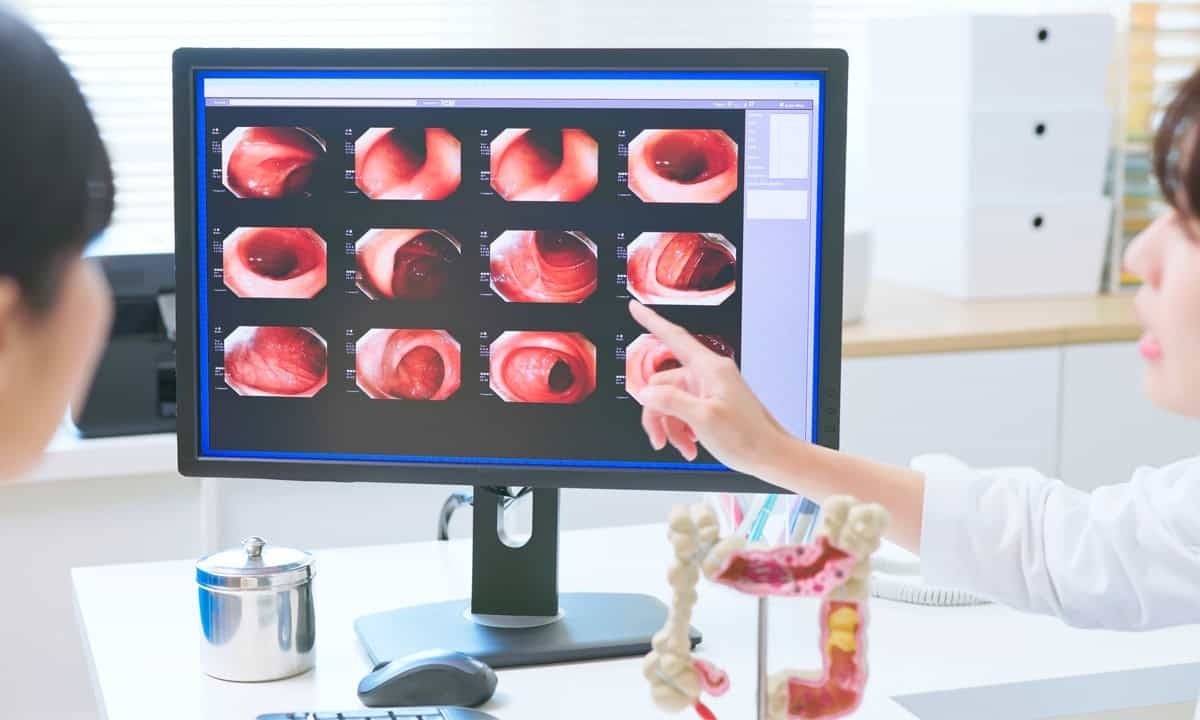
A colonoscopy lets a doctor examine the inside of your large intestine. Some are curious about the procedure, and that is understandable. While the test serves several purposes, knowing what it can and cannot do helps you prepare.
Investigate Digestive Symptoms
Doctors often order a colonoscopy to find the cause of digestive problems. The test can investigate several signs and symptoms, and it confirms imaging study findings. This procedure helps identify a source when those symptoms appear:. These symptoms include:
- Abdominal pain
- Rectal bleeding
- Long-lasting diarrhea
- Changes in bowel habits
- Irregularities seen on imaging studies
When symptoms last or keep returning, this exam helps pinpoint a source rather than relying on guesswork. A colonoscopy may reveal conditions such as colorectal cancer, ulcerative colitis, Crohn’s disease, or diverticulitis. It is helpful to know one limit. A colonoscopy is not used to diagnose irritable bowel syndrome, celiac disease, or hernias. Your doctor reviews symptoms first, and the results guide the next steps in your care.
Screen for Colorectal Cancer
Screening is one of the most common reasons for this test. For people at average risk, screening usually begins at age 45. A colonoscopy is one option, and it can detect cancer early, when treatment works best. Screening also looks for polyps, and a doctor can remove these growths before they become cancerous. This preventive step makes the test useful even when you are well. Some people need to start sooner or repeat the test more often, depending on personal risk. Higher-risk factors include a family history. When findings are normal, your doctor may suggest repeating the test in about ten years. If polyps appear, you may need follow-up sooner, and your doctor will set a schedule that fits your results.
Monitor and Treat Conditions
A colonoscopy can do more than look; it also has the opportunity for action. If polyps were found before, your doctor may recommend follow-up exams to monitor and remove new growths. The timing of these checks depends on previous findings, and your doctor will tailor the schedule to your history. Some polyps are removed during the exam, and others may be sampled first to guide treatment. This approach lets your care team track changes over time. It helps catch concerns early.
During the exam, a doctor can remove growths, relieve a blockage, or retrieve an object from the colon. These actions address the problem directly, and they often spare you another visit. This dual purpose is helpful. You may avoid a separate procedure because diagnosis and treatment sometimes happen together. When a condition like inflammatory bowel disease needs monitoring, repeat exams show how it changes, and help your doctor adjust your care. Knowing what to expect makes the process easier, and it lets you plan with confidence.
Discuss a Colonoscopy
A colonoscopy carries real benefits, and it does involve some discussion. The test helps detect cancer early, supports treatment, and clarifies symptoms, though it is not right for every condition. Your personal history shapes whether you need one, and your doctor can explain how the procedure fits your situation. Schedule a conversation with your healthcare professional to review your risk factors and timing. Since you need clear answers, asking questions is a practical first step.
