

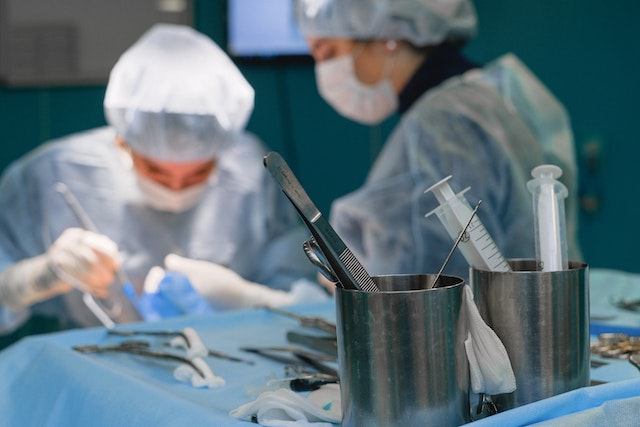
General surgery is a broad medical field that covers many parts of the body. A general surgeon is trained to perform a wide range of operations, often focused on the abdomen and the organs inside it. Many people meet a surgeon after a referral from their primary care doctor or after a trip to the emergency room; learning what these surgeons do can help you feel more prepared if you ever need this type of care.
What Is General Surgery?
General surgery is a specialty that deals with the diagnosis, treatment, and management of conditions that may need an operation. The word “general” does not mean these doctors handle only minor problems; it instead reflects the wide scope of their training. This prepares them to work on many systems within the body. A general surgeon can work as part of a larger care team, collaborating with primary care doctors and specialists. Their role is not limited to the operating room. They also evaluate whether surgery is the right choice and discuss other options when an operation may not be needed.
What Do They Treat?
General surgeons treat a wide variety of conditions. Many of these involve the abdomen and the digestive system, but their work can extend to other areas as well. Below are common conditions a surgeon may address, including:
- Hernias: A hernia happens when an organ or tissue pushes through a weak spot in the muscle wall.
- Appendix Problems: When the appendix becomes inflamed, it often needs to be removed.
- Gallbladder Disease: Gallstones and related issues can cause pain and other symptoms.
- Breast Conditions: General surgeons may remove lumps or perform biopsies to examine breast tissue.
- Gland Issues: Some surgeons remove all or parts of glands, such as the thyroid, when needed.
The exact conditions a surgeon treats can depend on their training and the setting where they work. Some focus on a narrower group of problems, while others handle a wide mix of cases.
What Services Can They Perform?
General surgeons offer many services, ranging from planned procedures to emergency care. The type of service often depends on the condition, and the urgency of the situation can influence how involved treatment will have to be. Common services include:
- Open Surgery: This traditional method uses a single, larger incision to reach the affected area.
- Minimally Invasive Surgery: Also called laparoscopic surgery, this approach uses small cuts and a thin camera.
- Robotic-assisted Surgery: Some surgeons use robotic tools to perform precise movements through small incisions.
- Emergency Surgery: When a problem is sudden and serious, such as a ruptured appendix, a general surgeon may operate quickly.
- Diagnostic Biopsies: Surgeons remove a small sample of tissue so it can be studied for signs of disease.
Before any procedure, the surgeon may explain what to expect. This helps patients make informed choices about their care.
Choose the Right General Surgeon
Finding the right general surgeon can take time. When you meet a surgeon, ask clear questions about the procedure, the recovery period, and the support you will receive afterward. You may also review their experience with your specific condition. A good surgeon listens, and they will respect your concerns. Taking these steps can help you gain clarity as you move forward with your care.
