

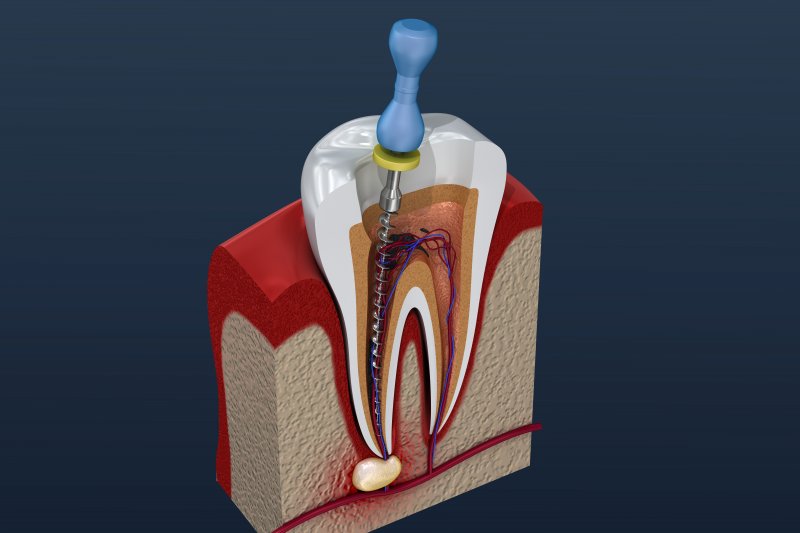
Root canal treatment is one of the most common dental procedures used to save damaged or infected teeth. Despite its reputation, modern root canal therapy is generally comfortable and highly effective. Recognizing the warning signs early can help prevent severe pain, tooth loss, and more extensive dental treatments.
Understanding when a root canal may be necessary allows patients to seek prompt care and protect their long-term oral health.
What Is a Root Canal Treatment?
A root canal is a dental procedure that removes infected or damaged tissue from inside a tooth. The soft tissue inside the tooth, known as the pulp, contains nerves and blood vessels.
When the pulp becomes infected or inflamed, a dentist may recommend root canal therapy to:
- Eliminate infection
- Relieve pain
- Preserve the natural tooth
- Prevent further complications
After removing the infected tissue, the dentist cleans, disinfects, and seals the tooth.
Common Signs You May Need a Root Canal
Persistent Tooth Pain
One of the most common indicators is ongoing tooth pain.
The discomfort may:
- Come and go
- Remain constant
- Worsen while chewing
- Spread to the jaw or surrounding teeth
Persistent pain should never be ignored, especially if it continues for several days.
Sensitivity to Hot and Cold
Temporary sensitivity is common. However, prolonged sensitivity that lingers after consuming hot coffee, tea, ice cream, or cold drinks may indicate pulp damage.
If the pain lasts for several seconds or minutes after exposure to temperature changes, professional evaluation is recommended.
Swollen Gums
Inflammation around a tooth can signal infection.
Signs include:
- Tender gums
- Swelling
- Redness
- Localized discomfort
Sometimes swelling may come and go, making it easy to overlook.
Tooth Discoloration
A tooth that becomes gray, dark yellow, or brown may have internal damage affecting the pulp.
Discoloration can occur due to:
- Trauma
- Infection
- Reduced blood supply to the tooth
A dentist can determine whether a root canal is necessary.
Pain While Chewing
Pain during eating or biting often indicates inflammation or infection inside the tooth.
You may experience:
- Sharp pain
- Pressure sensitivity
- Discomfort when chewing hard foods
This symptom should be evaluated promptly.
Pimple-Like Bump on the Gums
A small bump near the affected tooth may indicate a dental abscess.
The bump may:
- Drain pus
- Produce an unpleasant taste
- Cause recurring swelling
An abscess requires immediate dental attention to prevent the infection from spreading.
Cracked or Chipped Tooth
A damaged tooth can allow bacteria to enter the pulp chamber.
Common causes include:
- Sports injuries
- Falls
- Biting hard objects
- Teeth grinding
If infection develops, root canal treatment may be needed to save the tooth.
Causes of Pulp Damage
Several factors can lead to pulp infection or inflammation.
Deep Tooth Decay
Untreated cavities can gradually penetrate deeper layers of the tooth until reaching the pulp.
Repeated Dental Procedures
Multiple treatments on the same tooth may weaken the structure and irritate the pulp.
Dental Trauma
Even if a tooth does not visibly crack, trauma can damage internal tissues.
Severe Gum Disease
Advanced periodontal disease can contribute to infections that affect surrounding teeth.
What Happens During a Root Canal?
Examination and Diagnosis
The dentist examines the tooth and may take X-rays to assess the extent of damage.
Local Anesthesia
The treatment area is numbed to ensure comfort.
Removal of Infected Tissue
The dentist creates a small opening and removes damaged pulp.
Cleaning and Shaping
The root canals are cleaned and disinfected thoroughly.
Filling and Sealing
The canals are filled with a specialized material and sealed to prevent reinfection.
Dental Crown Placement
Many teeth require a crown after root canal treatment to restore strength and function.
Benefits of Root Canal Treatment
Root canal therapy offers several advantages.
Preserves Natural Teeth
Saving a natural tooth helps maintain proper chewing and alignment.
Relieves Pain
Treatment removes the source of infection and discomfort.
Prevents Infection Spread
Addressing infection early reduces the risk of complications.
Restores Function
Most treated teeth can function normally for many years.
Recovery and Aftercare
Most patients return to normal activities within a day.
Helpful aftercare tips include:
- Follow dental instructions carefully
- Avoid chewing hard foods temporarily
- Maintain good oral hygiene
- Attend follow-up appointments
Mild soreness for a few days is normal.
Frequently Asked Questions
Is a root canal painful?
Modern root canal procedures are generally no more uncomfortable than receiving a dental filling.
How long does a root canal take?
Most treatments are completed in one or two appointments.
Can a tooth survive without its pulp?
Yes. Once fully developed, a tooth can function normally without the pulp.
How successful are root canals?
Root canal therapy has a high success rate when performed properly.
Can infection return after a root canal?
Although uncommon, reinfection can occur if the tooth is not properly restored or maintained.
Conclusion
Recognizing the signs of a potential root canal problem can help prevent severe dental complications. Persistent pain, prolonged sensitivity, swelling, and discoloration should never be ignored. Early diagnosis and treatment can save your natural tooth, relieve discomfort, and support long-term oral health.
