

Clear braces are a type of orthodontic treatment used to straighten teeth and correct alignment problems. They work the same way as traditional metal braces, but they use tooth-colored materials that make them less noticeable. These braces can address a wide range of issues, including crooked teeth, crowding, gaps, overbites, underbites, and cross-bites.
How Clear Braces Work
Clear braces use ceramic brackets and tooth-colored wires that match the shade of natural teeth. An orthodontist bonds the brackets to the front surfaces of the teeth using a special dental cement. After the brackets are in place, a tooth-colored wire is attached and anchored with metal bands on the back molars. Small elastics hold the wire firmly against the brackets.
After placement, slight tenderness and discomfort are common. These effects tend to fade within a few days. Over-the-counter pain relievers, such as acetaminophen or ibuprofen, can ease the symptoms during that period.
Treatment length varies from one person to the next. The exact timeline depends on the severity of the misalignment. After treatment finishes, a permanent or removable retainer helps keep the teeth in their new position.
Benefits
The main benefit of clear braces is appearance. While they are not invisible, they are far less noticeable than metal braces. Appearance is the primary reason many people choose them over traditional options.
Beyond appearance, braces improve oral health and function. When teeth are not aligned properly, they are harder to clean, which raises the risk of cavities and gum disease. Proper alignment also reduces the chance of chewing problems.
Limitations
Ceramic brackets are more fragile than metal ones, so they tend to break more often. Because they are not as strong as metal braces, treatment may take slightly longer. These braces are also more prone to staining than metal braces.
A few habits help reduce these problems. Brushing two to three times a day and flossing once a day help keep plaque and tartar under control. Avoiding hard, crunchy, or sticky foods lowers the risk of damaging brackets. Steering clear of dark-colored foods and drinks, such as coffee, tea, red wine, and tomato-based sauces, helps prevent staining. Avoiding smoking and visiting a dentist regularly for exams and cleanings also help maintain appearance during treatment. If a bracket or wire becomes damaged, contact an orthodontist promptly rather than waiting for a scheduled visit.
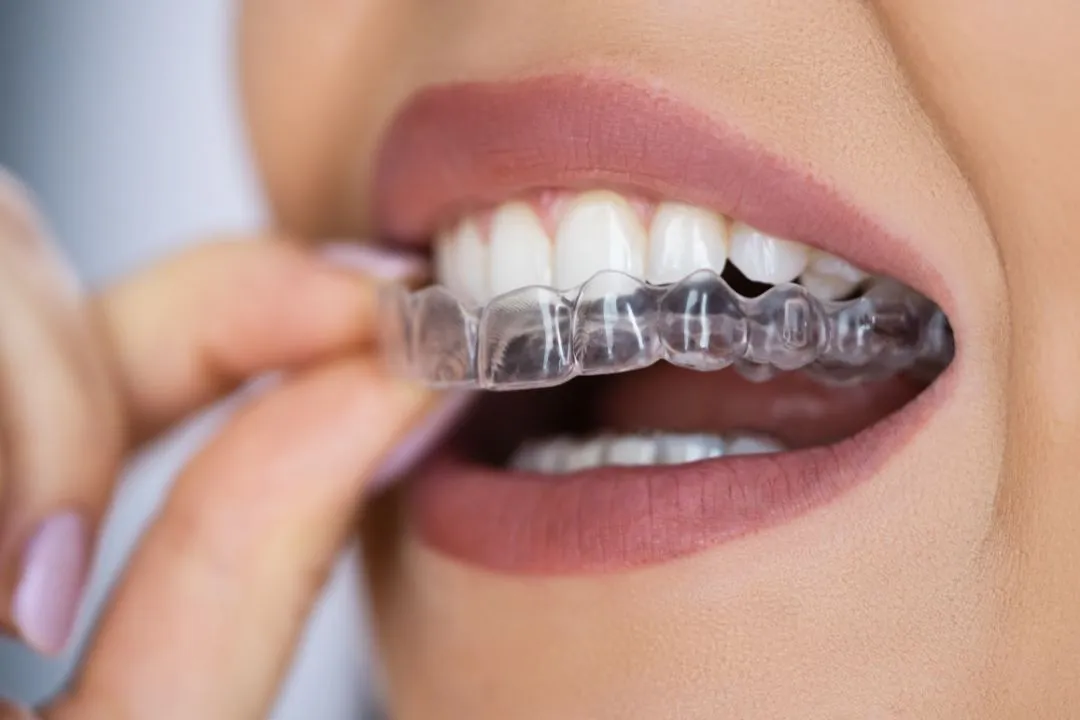
Clear bracket braces function differently from removable aligner trays. Brackets are permamnent. Aligners are removable plastic trays that fit over the teeth. Both have advantages and drawbacks, and the right choice depends on the individual case.
Talk to an Orthodontist
Clear braces can correct many orthodontic problems, but they are not the right choice for everyone. Before treatment begins, you’ll need an examination to check your oral health and confirm whether you’re a candidate. If you have extensive tooth decay, gum disease, or gum recession, your dentist will need to treat those issues first. Attaching braces to unhealthy teeth can lead to other dental problems. Your orthodontist can examine your mouth, review your dental history, and recommend the option best suited to your needs.
