

Sports injuries affect athletes and active individuals at every level. Sports medicine exists to address these outcomes through structured, medically guided care. Orthopedic providers who specialize in sports medicine focus on restoring function, and they help patients recover through diagnosis and treatment. Understanding what this field covers, including what to expect from the care process, can help patients make more informed decisions when an injury occurs.
What Is Sports Medicine?
Sports medicine is a branch of orthopedic care centered on evaluating, diagnosing, and treating injuries that result from physical exertion. Providers in this field work with patients across a wide age range, applying advanced diagnostic tools and evidence-based treatment approaches to guide recovery. Orthopedic specialists in this area also work to restore strength, stability, and range of motion; this may support a patient’s ability to return to full activity with a reduced likelihood of reinjury.
What Injuries Does It Address?
Sports medicine providers address a broad spectrum of musculoskeletal injuries; these injuries can arise from a variety of circumstances. Certain causes, such as direct contact with another athlete or an object, falls, improper training mechanics, overuse, and sudden changes in direction, are all common sources. Among the most frequently seen conditions are:
- Fractures
- Sprains and strains
- Muscle and tendon injuries
- Tendonitis
- Rotator cuff injuries
- Knee and hip injuries
- Joint dislocations
The symptoms that accompany these injuries vary in type and severity. Patients may experience dull aching or sharp pain, and swelling, bruising, redness, and localized warmth are also common indicators of tissue damage. In more significant injuries, patients can notice instability in the affected joint, visible deformity, muscle weakness, limited range of motion, or difficulty bearing weight on the injured limb.
Not every sports injury requires medical intervention, and some mild injuries resolve with rest and at-home care. Persistent or worsening symptoms typically warrant a professional evaluation, conducted by a sports medicine or orthopedic specialist. This helps to rule out more serious underlying damage.
What Should You Expect?
When a patient presents with a sports injury, the diagnostic process begins with a thorough review of their symptoms, medical history, and the circumstances surrounding the injury. A physical examination follows, and the provider assesses the affected area for signs of structural damage. Depending on the findings, additional testing may be ordered. Blood work, X-rays, MRI scans, CT scans, or ultrasound imaging can each provide a clearer picture of the injury’s nature. These tools allow orthopedic specialists to confirm a diagnosis. Treatment plans are tailored to the specific injury and the patient’s individual needs. Common approaches include:
- RICE Therapy: Rest, ice, compression, and elevation form the basis of at-home injury management, which can reduce swelling and support early-stage healing.
- Physical Therapy: Guided exercise programs help rebuild strength in the affected tissues, restore range of motion, and reduce the likelihood of reinjury over time.
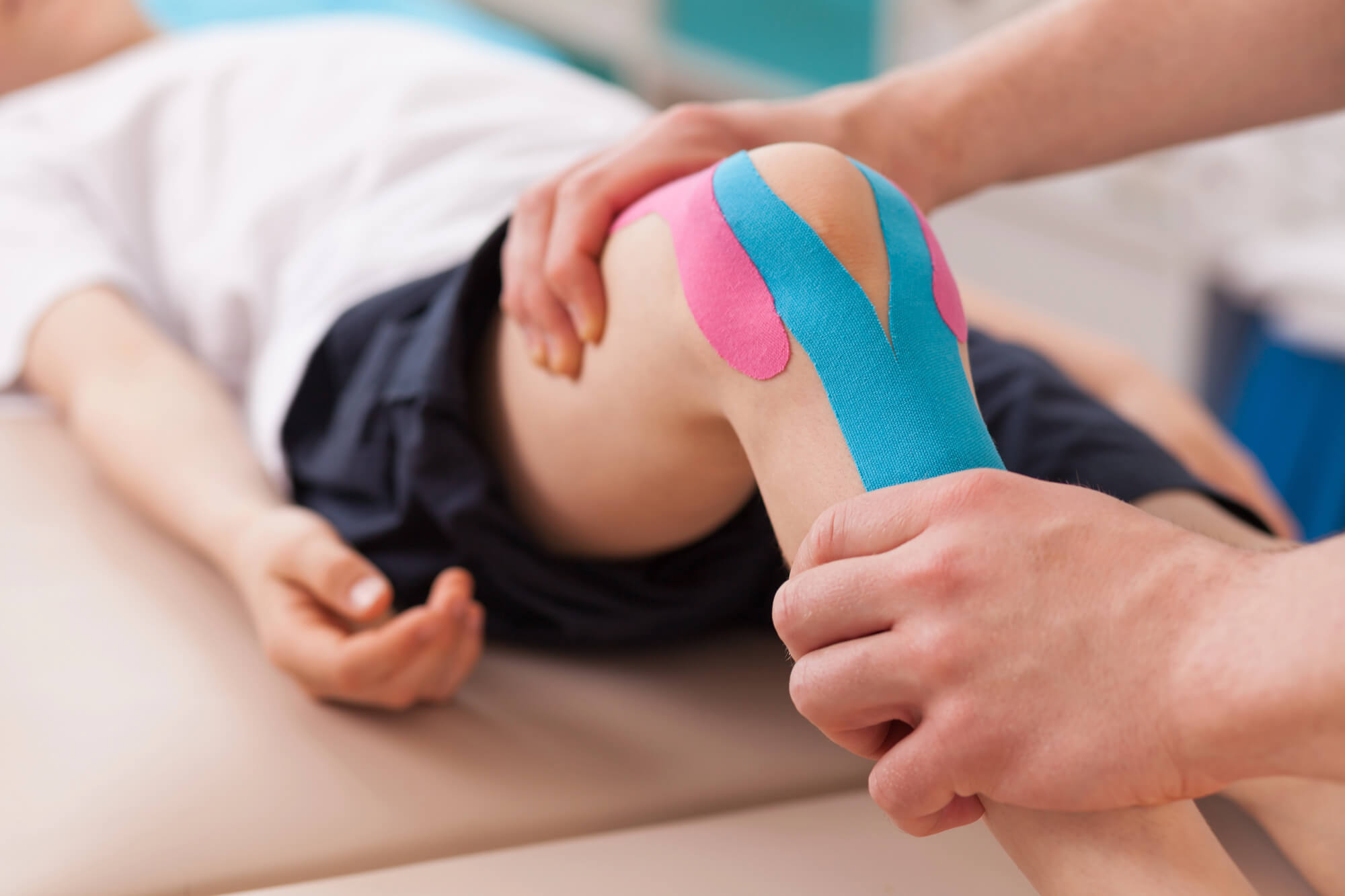
- Stabilized Immobilization: Bracing or taping an injured area protects damaged tissue and limits the risk of further harm.
For severe injuries involving significant structural damage, surgical intervention may be necessary. Procedures can involve repairing, reconstructing, or removing damaged tissue depending on the clinical need.
Seek Professional Medical Oversight
Sports injuries managed without proper guidance may lead to prolonged recovery times. Long-term complications, such as chronic instability, can result when left unaddressed. Seeking care from an orthopedic specialist at the onset of symptoms gives patients access to necessary diagnostic resources, and it provides them with the treatment options needed to support a thorough recovery.
