

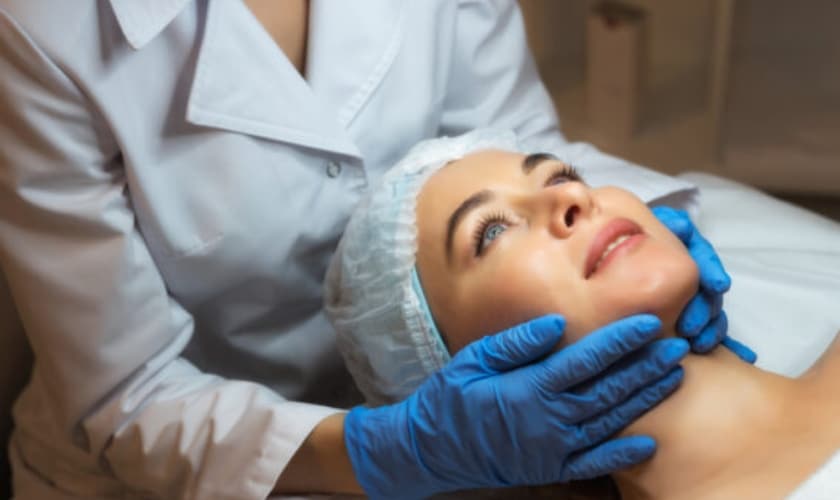
Dermatology focuses on the skin, hair, and nails, and practitioners diagnose and treat a range of conditions, from acne and eczema to more complex disorders. Many clinics offer cosmetic and therapeutic procedures alongside standard medical care. Treatments are often individualized, accounting for a patient’s medical history, skin type, and response to previous therapies. Here are some common dermatology procedures explained:
Laser Hair Removal
Laser hair removal uses concentrated light to target hair follicles; the light is converted to heat, which damages follicles and slows future growth. Many treatment plans involve several sessions spaced a few weeks apart, since hair grows in cycles. Practitioners adjust the laser settings based on your skin tone, hair color, and the area being treated. Common areas include the:
- Legs
- Underarms
- Face
- Bikini line
Some people experience mild redness or a sensation similar to a rubber band snapping against the skin. A consultation before treatment allows the provider to review your medical history and confirm that you are a suitable candidate, which helps manage potential risks. Results typically appear gradually, and follow-up appointments may be scheduled to monitor progress.
Salt Facial Machine
A Salt Facial is a multi-step dermatology treatment that combines several technologies in one session. The process typically begins with a salt exfoliation, which uses fine sodium crystals to remove dead surface cells. The next stage applies ultrasound waves to clean the skin and support product absorption. Treatment often finishes with LED light, delivered in different wavelengths depending on the skin concern. This is a non-invasive option with little downtime, and providers tailor each step to the individual, adjusting intensity for sensitive skin.
Botox Therapy
Botox is a purified form of botulinum toxin. When it is injected in small amounts, it temporarily relaxes the muscles responsible for certain facial movements. Practitioners use very fine needles to deliver the product to specific points, and these often include the forehead, brow, and eyes.
Effects are not permanent; they typically fade over months, after which repeat treatment may be scheduled. Beyond cosmetic uses, doctors also prescribe botulinum toxin for medical conditions such as TMJ and jaw clenching. A dermatologist reviews your goals and health history before any injection to confirm that the procedure is appropriate and safe for you.
Rejuran Treatment
Rejuran is an injectable treatment that contains polynucleotides derived from salmon DNA. A practitioner injects the substance into the skin using a series of small punctures across the treatment area. Sessions are often spread over several weeks, with the number depending on the area and the provider’s assessment. Redness, swelling, or small bumps may appear after the procedure, but they usually fade within a few days. Because the treatment involves needles, a topical numbing cream is frequently applied beforehand to reduce discomfort.
Visit a Dermatology Clinic
Exploring professional skincare options can help you achieve healthier, more radiant skin. A trained dermatologist reviews your skin, medical background, and goals before recommending a treatment. During a consultation, ask about the expected recovery time for each procedure. This helps you determine which options fit your lifestyle, and it allows you to prepare for aftercare recommendations. Contact a dermatology clinic today to learn more.
