

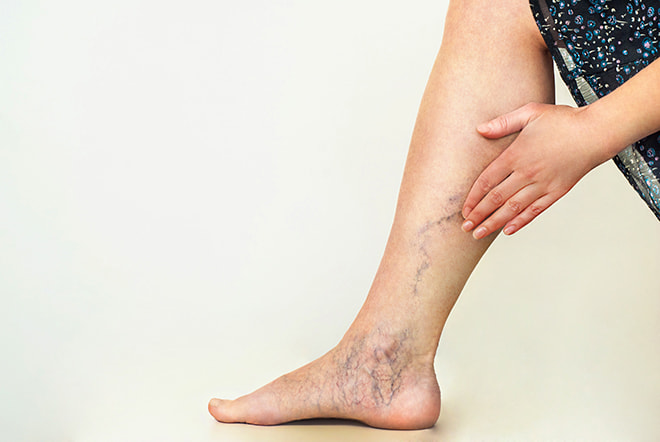
Poor vein function in the legs can develop gradually over time. If left untreated, they are able to lead to skin changes such as discoloration, inflammation, or slow-healing ulcers. Many modern treatment options are minimally invasive and can close or seal damaged veins without surgery. Here is more information on non-surgical options for varicose veins:
Understanding Varicose Veins
Varicose veins develop when the small one-way valves inside the veins fail to function properly. These valves normally keep blood moving upward toward the heart, but when they weaken, blood flows backward and collects in the vein. This leads to venous reflux, also called venous insufficiency, which causes the vein to stretch and become more visible under the skin. Some individuals notice only cosmetic changes, while others experience ongoing physical discomfort. Common signs include:
- Painful or aching legs
- Swelling in the legs, feet, or ankles
- Itching around affected veins
- Heavy, tired, or restless leg sensations
- Skin discoloration near visible veins
Diagnosing the Problem
Treatment begins with an accurate diagnosis from a vascular specialist. The provider reviews your medical history and performs a physical examination of the legs to assess visible vein changes and symptoms. In many cases, an ultrasound is also used to evaluate blood flow in the deeper veins. This imaging test helps identify areas of venous insufficiency and guides the development of a targeted treatment plan that addresses the underlying cause rather than surface-level symptoms.
Treating With Radiofrequency Ablation
Radiofrequency ablation is a minimally invasive procedure used to treat varicose veins by closing off damaged vessels. Using ultrasound guidance, a specialist inserts a small catheter into the affected vein and positions it precisely for treatment. This approach allows the provider to target the problem vein directly while minimizing disruption to surrounding tissue.
As the catheter is slowly withdrawn, it delivers controlled radiofrequency energy that heats and seals the vein from the inside. Once sealed, blood flow naturally redirects to healthier veins, and the treated vein is gradually absorbed by the body. The procedure is typically performed in an outpatient setting, allowing most patients to resume normal activities the same day.
Closing Veins With Injections
Non-surgical vein treatments can also use injections to close damaged veins without heat or surgery. These approaches are selected based on vein size, location, and severity of venous insufficiency. A specialist uses targeted medications to collapse the vein from the inside, allowing blood to reroute through healthier vessels. Over time, the treated vein seals and is gradually absorbed by the body.
- Sclerotherapy: A sclerosant medication is injected directly into the vein, sealing the venous walls and treating small to medium varicose veins.
- Endovenous chemical ablation: A sclerosant foam is injected under ultrasound guidance, expanding to coat larger vein walls for more complete closure.
In each instance, the treated vein collapses, seals, and becomes scar tissue. Over time, your body absorbs this tissue, gradually removing the vein.
Schedule Your Consultation Today
Non-surgical treatments allow varicose veins to be addressed without major procedures or extended recovery time. Options such as radiofrequency ablation, sclerotherapy, and endovenous chemical ablation target damaged veins directly and support healthier circulation. Each approach is selected based on each patient’s symptoms. Schedule a consultation today to determine the right treatment option for your needs.
