

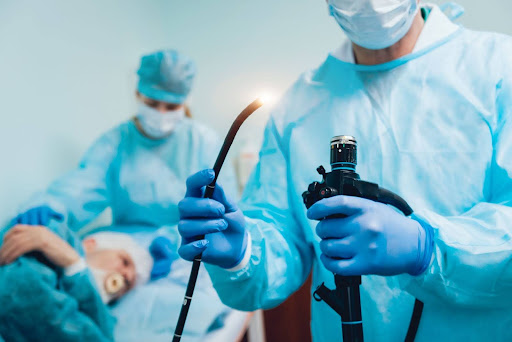
A colonoscopy examines the lining of your large intestine and rectum, and a doctor uses a thin, flexible tube with a camera, and the device sends images to a monitor. Since the procedure reaches the entire colon, physicians use it to inspect tissue that other tests miss. The exam takes place under sedation in most clinics. Here is more information on colonoscopies and how they can help prevent serious health issues:
Screening for Cancer
Colorectal cancer can develop without early warning signs. Screening detects abnormal tissue before symptoms appear, and the timing of your first exam depends on your risk profile. Most guidelines recommend a baseline screening at age 45 for adults.
Family history may change the recommended timeline for a colonoscopy. A doctor may schedule earlier exams if a close relative had colon cancer, and your medical record guides this decision. Regular screening identifies changes at a stage when treatment options remain broader.
Detecting Polyps
Polyps are small growths on the colon wall. Many polyps are benign, but some types develop into cancer over time. During the exam, a physician removes these growths and sends them to a lab for analysis.
The procedure addresses several polyp types:
- Adenomatous polyps, which may carry a higher risk
- Hyperplastic polyps, which could turn cancerous
- Inflammatory polyps, typically linked to bowel disease
Removal happens during the same visit. The doctor uses a wire loop or forceps, and the tissue goes to pathology for grading. Since removal occurs immediately, you avoid a second appointment for that step.
Diagnosing Rectal Bleeding
Rectal bleeding has many possible causes. A colonoscopy locates the source, and it distinguishes minor issues from serious conditions. Hemorrhoids, fissures, and inflammation all produce visible bleeding. The exam also rules out tumors and ulcers, and when blood appears in your stool, a physician inspects the full colon to pinpoint the origin. This direct view supports an accurate diagnosis.
Identifying Unexplained Symptoms
Persistent digestive symptoms warrant investigation. A colonoscopy examines tissue when other tests give unclear results, and the findings guide your treatment plan. Doctors order the exam for several specific complaints.
These symptoms include:
- Chronic diarrhea or constipation
- Ongoing abdominal pain
- Unexplained weight loss
- Iron-deficiency anemia
The procedure clarifies the cause behind these signs. A physician reviews the colon lining for inflammation, narrowing, or abnormal growths. Since the camera reaches difficult areas, the exam captures detail that imaging scans lack.
Conditions such as Crohn’s disease and ulcerative colitis appear during the exam. The doctor takes tissue samples, and a lab confirms the diagnosis. These biopsies inform decisions about medication and follow-up care. Polyps discovered during the procedure can typically be removed immediately to reduce the risk of future complications.
Get a Colonoscopy Near You
A colonoscopy supports early detection of colorectal conditions. The procedure screens for cancer, removes polyps, and explains unclear symptoms. Your doctor reviews your history and recommends a schedule that fits your risk level. Talk with a healthcare provider about your screening options. Schedule an appointment with a clinic near you to discuss the procedure and prepare for your exam.
