

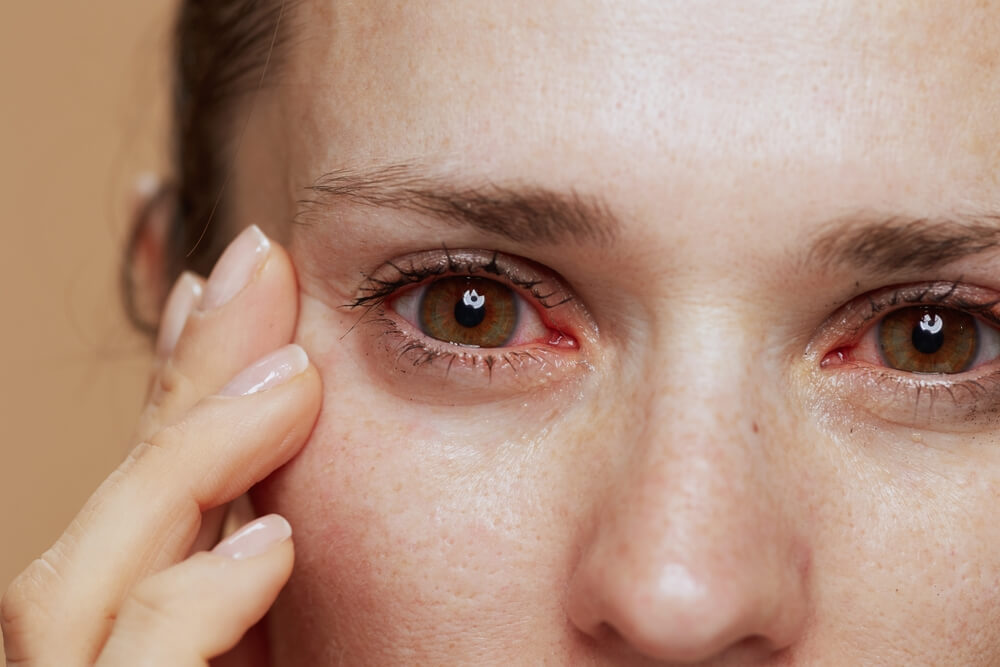
When the small blood vessels on the surface of your eyes swell and become more visible, red eyes appear. The change often occurs alongside itching, watering, or a gritty sensation, and many people notice it seasonally. Exposure to specific substances can also trigger the reaction. Here is some information about allergic reactions that cause red eyes:
Understanding Symptoms
Recognizing the symptoms of allergic reactions affecting the eyes helps manage discomfort and prevent further irritation. Red eyes are the most obvious sign, but it rarely shows up alone. Itching typically grows stronger the more you rub your eyes. Watery discharge, puffy lids, and a burning sensation may also be present. Some people describe a feeling like sand caught beneath the lids.
These symptoms usually affect both eyes at once, which sets allergies apart from many infections. Light sensitivity sometimes develops, and this makes bright rooms uncomfortable. Pay attention to when the signs appear and how long they last. A reaction that fades after you leave a certain space points toward an allergic cause rather than illness.
Identifying Triggers
Understanding the causes of your eye allergies is key to managing symptoms, as it helps you reduce exposure to allergens. Triggers usually fall into groups, and you should watch for these triggers:
- Seasonal pollen during spring, summer, or fall
- Dust mites in bedding, carpets, and upholstery
- Pet dander from cats, dogs, and other animals
- Mold in damp basements, bathrooms, or kitchens
- Irritants such as smoke, perfume, and cosmetics
Patterns often emerge when you track your symptoms over a few weeks. Maybe your eyes turn red every morning, indicating there’s an irritant in your bedroom. Trouble may start only after a walk outside on windy days. Connecting the timing to a place or activity gives you a clearer picture of what your body reacts to. You may also notice shifts in symptom intensity, and these patterns help guide future decisions.
Finding Relief
Managing allergies begins with identifying strategies to ease your symptoms and improve daily comfort, and a primary step is reducing exposure to known triggers. Close windows during high pollen counts and run an indoor air filter. Wash your hands after touching pets, and change your pillowcases often. These habits limit how much of an allergen reaches your eyes. When a reaction is triggered, cool compresses placed over the eyes help calm swelling and itching. Artificial tears flush away particles and add moisture to dry, irritated eyes. Rubbing your eyes spreads allergens, and it can make redness worse. Over time, these practices help reduce flare-ups and make allergies easier to manage.
Visit an Optometrist for Red Eyes
An optometrist can determine the root cause of your red eyes, ruling out issues like infection or severe dryness. They also recommend personalized treatments or allergy testing to identify specific triggers. Following their advice gives you a tailored plan to manage your symptoms effectively and protect your eye health. Early attention to symptoms helps improve outcomes, and consistent follow-up maintains long-term eye health. Contact an eye doctor today to schedule a consultation.
