

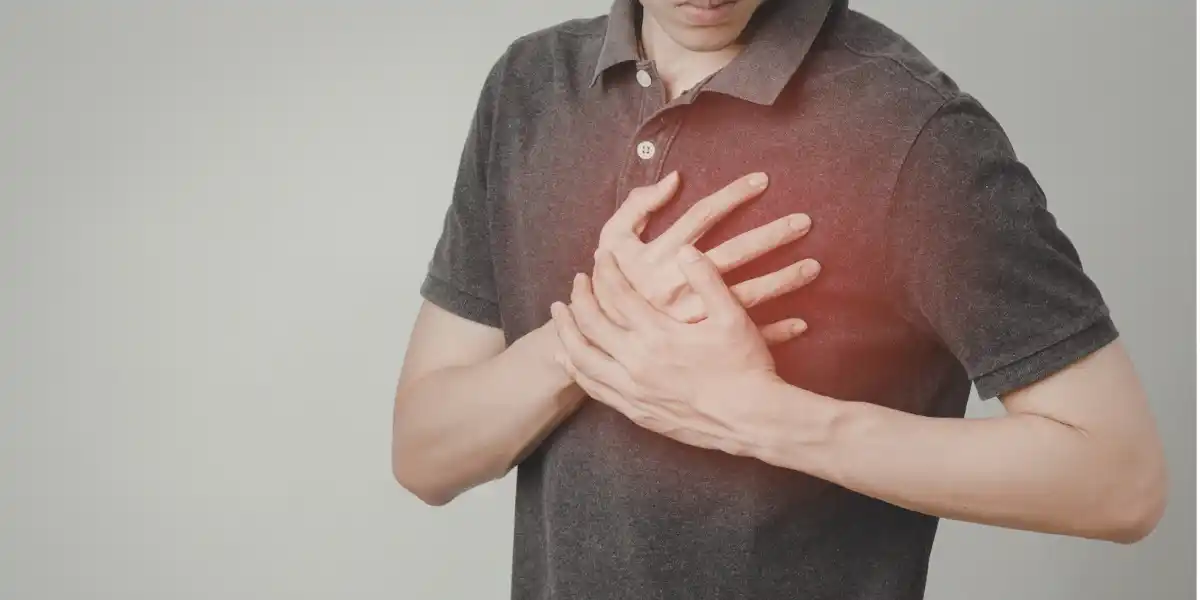
Heart disease remains one of the leading causes of death in the United States. While some heart conditions develop gradually, others can appear suddenly and become life-threatening if left untreated. Recognizing early warning signs is essential because prompt medical attention can significantly improve outcomes and prevent serious complications.
Many people assume heart disease only affects older adults, but risk factors can develop at any age. Understanding the symptoms and risk factors can help individuals take proactive steps to maintain cardiovascular health.
What Is Heart Disease?
Heart disease refers to a group of conditions that affect the heart and blood vessels. Common types include:
- Coronary artery disease
- Heart failure
- Arrhythmias
- Heart valve disease
- Congenital heart defects
These conditions can interfere with the heart’s ability to pump blood effectively throughout the body.
Common Warning Signs of Heart Disease
Chest Pain or Discomfort
Chest pain is one of the most recognized symptoms of heart disease.
People may describe it as:
- Pressure
- Tightness
- Squeezing
- Burning
- Fullness
While not all chest pain is heart-related, persistent or severe discomfort should never be ignored.
Shortness of Breath
Difficulty breathing may occur when the heart cannot pump blood efficiently.
You may notice shortness of breath:
- During physical activity
- While resting
- When lying flat
- During routine daily tasks
Fatigue
Unusual or persistent fatigue can be an early warning sign, particularly in women.
Symptoms may include:
- Extreme tiredness
- Lack of energy
- Reduced exercise tolerance
Pain in Other Areas of the Body
Heart-related pain may extend beyond the chest.
Affected areas can include:
- Arms
- Neck
- Jaw
- Back
- Shoulders
This type of discomfort may come and go or occur during physical exertion.
Dizziness or Lightheadedness
Feeling faint or dizzy may indicate inadequate blood flow to the brain.
Potential causes include:
- Abnormal heart rhythms
- Reduced cardiac output
- Blood pressure changes
Swelling in the Legs, Ankles, or Feet
Fluid retention can occur when the heart struggles to pump blood effectively.
Common symptoms include:
- Swollen ankles
- Leg swelling
- Foot swelling
- Weight gain from fluid buildup
Irregular Heartbeat
Occasional palpitations are common, but frequent or prolonged irregular heartbeats should be evaluated.
Signs may include:
- Racing heartbeat
- Fluttering sensations
- Skipped beats
- Pounding heartbeat
Heart Attack Warning Signs
A heart attack requires immediate medical attention.
Symptoms may include:
Severe Chest Pain
Pain often feels intense and may last several minutes.
Sweating
Sudden cold sweats may accompany heart attack symptoms.
Nausea
Some individuals experience nausea or vomiting.
Shortness of Breath
Breathing difficulties may occur with or without chest pain.
Pain Radiating to Other Areas
Pain may spread to:
- Arms
- Jaw
- Neck
- Back
Risk Factors for Heart Disease
High Blood Pressure
Uncontrolled hypertension increases strain on the heart and arteries.
High Cholesterol
Excess cholesterol can contribute to plaque buildup within arteries.
Smoking
Smoking damages blood vessels and significantly increases cardiovascular risk.
Diabetes
People with diabetes have a greater likelihood of developing heart disease.
Obesity
Excess body weight can increase blood pressure, cholesterol levels, and diabetes risk.
Physical Inactivity
A sedentary lifestyle contributes to multiple cardiovascular risk factors.
Family History
Genetics can influence susceptibility to certain heart conditions.
Preventing Heart Disease
Eat a Heart-Healthy Diet
Focus on:
- Fruits
- Vegetables
- Whole grains
- Lean proteins
- Healthy fats
Exercise Regularly
Most adults benefit from at least 150 minutes of moderate physical activity per week.
Avoid Tobacco Products
Quitting smoking can substantially reduce cardiovascular risk.
Manage Stress
Healthy stress-management techniques may support heart health.
Monitor Blood Pressure and Cholesterol
Regular health screenings help identify problems early.
When to Seek Medical Attention
Contact a healthcare professional if you experience:
- Persistent chest discomfort
- Unexplained shortness of breath
- Frequent palpitations
- Sudden swelling
- Ongoing fatigue
Seek emergency care immediately for symptoms of a heart attack.
Frequently Asked Questions
Can heart disease develop without symptoms?
Yes. Some forms of heart disease may progress silently before symptoms appear.
Are women affected differently by heart disease?
Yes. Women may experience symptoms such as fatigue, nausea, and shortness of breath more frequently than men.
Can young adults develop heart disease?
Yes. Risk factors can begin early in life and contribute to future cardiovascular problems.
Is chest pain always a heart problem?
No. However, unexplained chest pain should always be evaluated by a healthcare professional.
Can lifestyle changes reduce heart disease risk?
Yes. Healthy habits can significantly lower the risk of many cardiovascular conditions.
Conclusion
Heart disease can often be managed or prevented when warning signs are recognized early. Chest discomfort, fatigue, shortness of breath, and irregular heartbeats should never be ignored. By understanding risk factors and maintaining healthy lifestyle habits, individuals can take meaningful steps toward protecting their cardiovascular health.
